

THE NAVIGATOR
January 2026

RECALIBRATING FOR A WORLD IN RUPTURE
By Dr. Manali Kumar, Executive Director
January was a dizzying month for global politics. From the US’s regime change operation in Venezuela and the kidnapping of its head of state to demanding ownership of Greenland and exiting over 60 international organisations including the WHO — ‘we are in the midst of a rupture’.
Our regional review this month finds the geopolitical landscape moving beyond the binary constraints of a US-China rivalry towards a marketplace of issue-based partnerships. As Canadian Prime Minister Mark Carney observed in his powerful speech in Davos this month, “Allies will diversify to hedge against uncertainty”. And as our first brief this month explores, that is what we are observing across the Indo-Pacific. Middle and rising powers are diversifying their dependencies, and pursuing a dual-track strategy of internal and external balancing. These states are binding themselves together through overlapping partnerships that stop short of new formal alliances.
Myanmar’s recent sham election — the subject of our second brief — underscores the harsh limits of what Carney terms “values-based realism”. In this emerging order, middle powers recognise the necessity of engaging realistically with most regimes to secure regional stability, yet they reserve deep economic and strategic integration for those within a circle of genuine value alignment. Consequently, as middle powers prioritise their own survival in an insecure world, the political deadlock in Naypyidaw becomes a secondary casualty of a global order that is increasingly pragmatic and self-interested.
Amidst these upheavals, it remains to be seen whether international organisations will prove resilient in the face of a US exit. Middle powers are championing the rules not out of idealism, but as a defensive shield against chaos. Will they manage to collectively enforce order?
Don’t miss the latest episode of our podcast, THE BRIDGE, which looks ahead to the key political, economic, and strategic issues set to shape EU–ASEAN relations and the wider Indo-Pacific in 2026.
As the Indo-Pacific continues to shift, 9DASHLINE delivers the sharp, timely analysis you need to stay ahead of the curve.
Subscribe now.
ALLIES AND NEAR-ALLIES ARE NOT STANDING STILL AMID DISRUPTIONS
By Daniel McIntyre, Associate Editor and Luana Correia, Assistant Editor
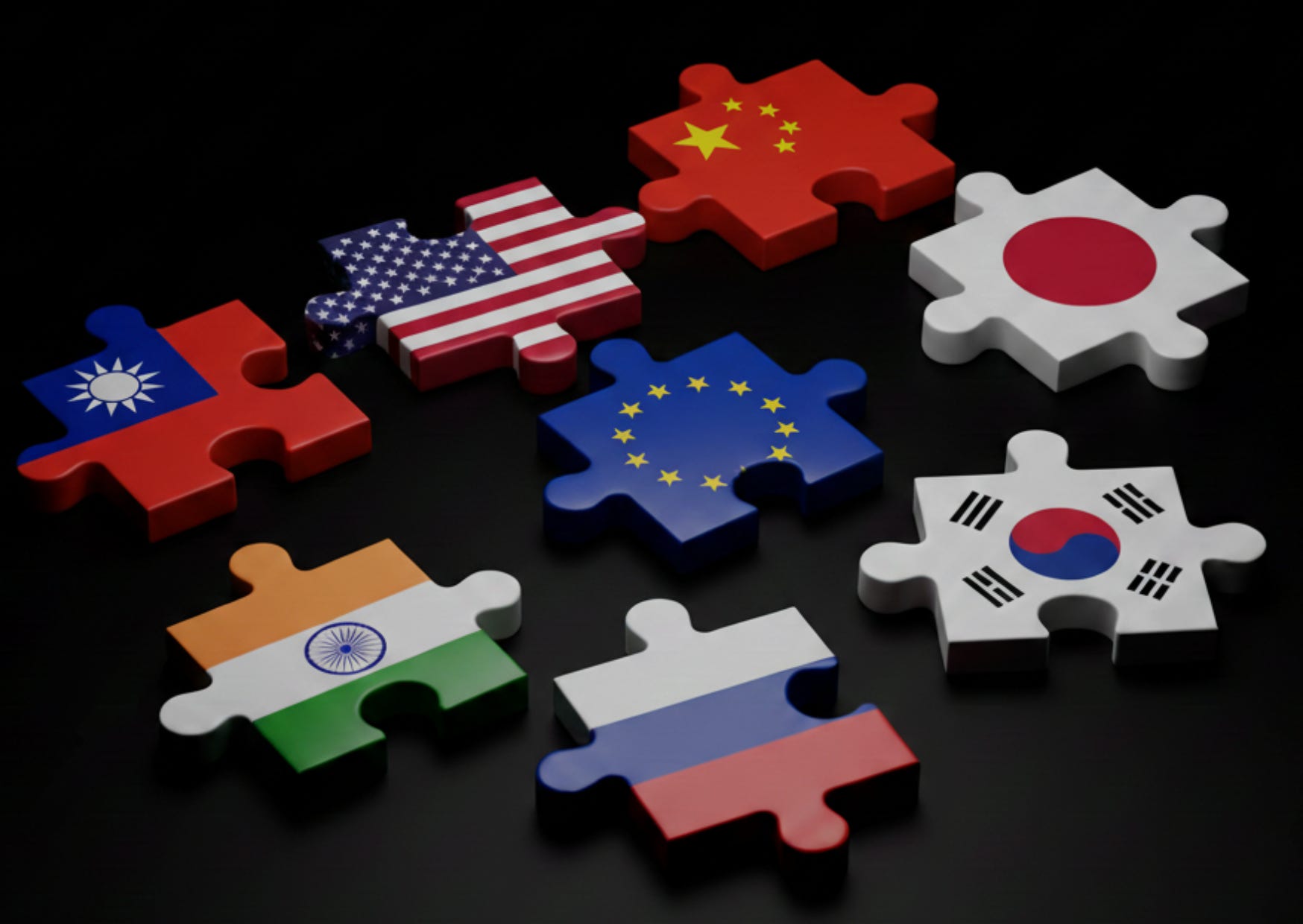
Across regions, states are adjusting behaviour, partnerships, and exposure, adding new layers of cooperation and insulation that sit alongside — and sometimes strain — existing alliance structures.
Europe and Canada are diversifying commercial and diplomatic relations to hedge against Washington’s coercion and unilateralism. Ottawa has reduced trade frictions with China, while UK officials signalled interest in reviving a ‘golden era’ of dialogue with Beijing ahead of Starmer’s visit.
The European Union is also adjusting to new realities. At Davos, French President Emmanuel Macron characterised Trump’s tariff war — reinforced by demands to acquire Greenland — as an effort to ‘weaken and subordinate’ Europe. At the same time, the European Parliament has suspended its approval of an earlier US trade agreement. The EU is deepening alternative partnerships, including concluding a landmark trade deal with India, which both have framed as a statement in favour of co-operation over confrontation. India’s central bank has also proposed linking BRICS members’ digital currencies to facilitate cross-border trade and tourism — an extension of New Delhi’s diversification strategy.
Meanwhile, US treaty allies, the Philippines and Japan have moved to deepen defence cooperation, part of a broader regional pattern in which US allies are strengthening horizontal ties as insurance against greater uncertainty in Washington.
However, room for adjustment among US’ treaty allies in East Asia — Japan and South Korea — as well as Taiwan, is sharply constrained. Facing significant military, technological, and economic pressure from China, Tokyo and Seoul are tightening ties with the US while bolstering domestic resilience, with few viable alternatives to continued reliance on US security. Taiwan is the most politically exposed. Under DPP rule, alignment with the US is structurally embedded, but sustained US unpredictability could widen the domestic space for alternative approaches should the KMT return to power in 2028.
The common thread across all these cases is not acquiescence, but agency. Allies and near-allies are not passive recipients of uncertainty, nor willing collaborators in their own subordination, to paraphrase Carney. Faced with a more volatile United States, they are hedging, diversifying, and manoeuvring — adding buffers, deepening ties, and widening options wherever constraints allow. With Washington continuing to experiment with parallel arrangements — such as the “Board of Peace” — while simultaneously withdrawing from established multilateral institutions, these patterns of adjustment are likely to persist. The emerging picture is not of a settled order, but of states adapting to risk through active recalibration of policies and partnerships.
MANUFACTURED MANDATE: MYANMAR’S PATH AFTER THE SHAM
By Dr. Hunter Marston, Southeast Asia Associate
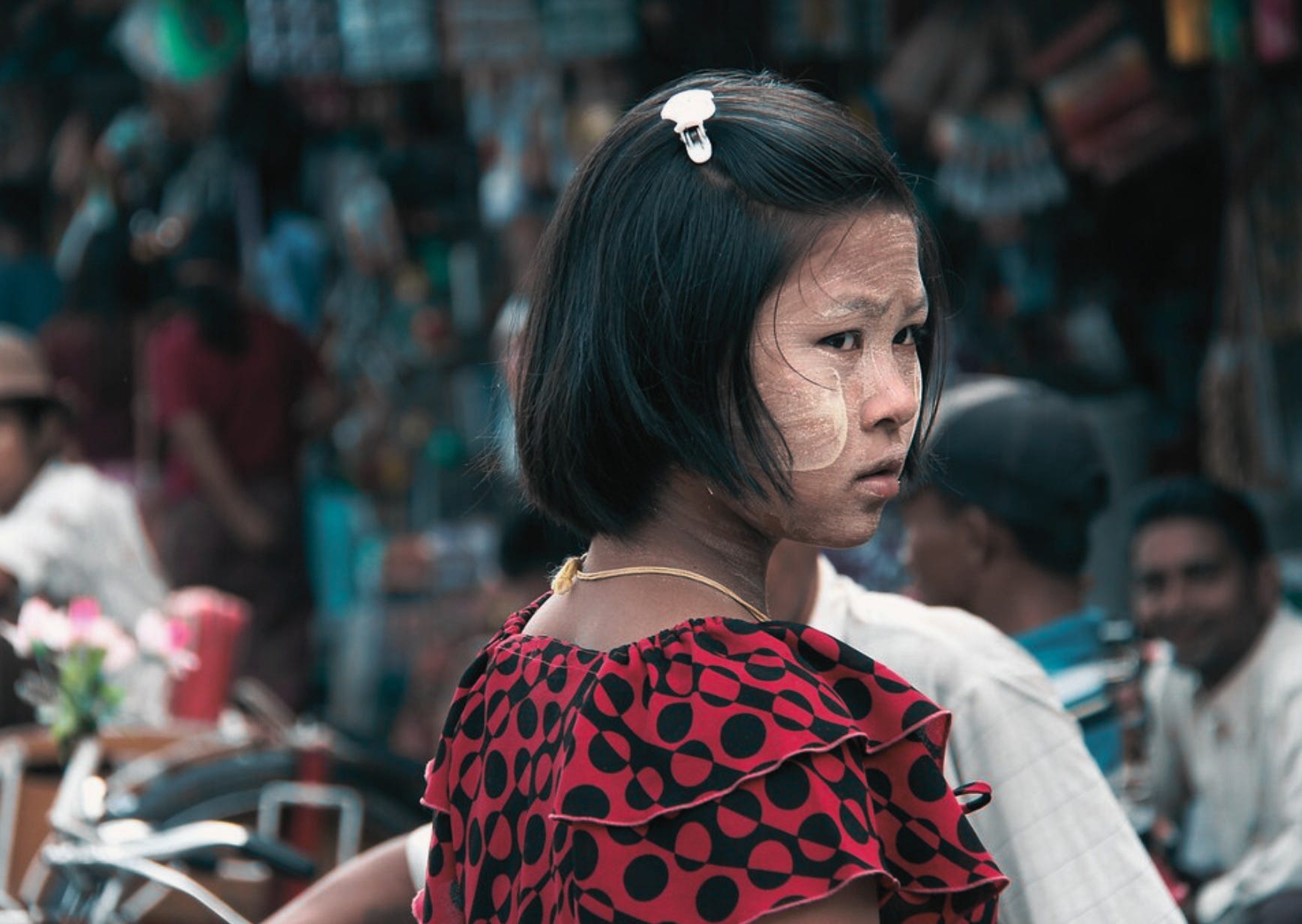
Myanmar’s military junta concluded its heavily engineered series of national elections on 25 January, delivering the military’s proxy party, the Union Solidarity & Development Party (USDP), a decisive — and widely expected — victory. The USDP did not face any genuine opposition, since the military arrested the leaders of the largest opposition political party, the National League for Democracy (NLD), after ousting it from power in a coup d’état in February 2021. The junta continues to hold NLD leader Aung San Suu Kyi in Naypyitaw and has not allowed family or international leaders to visit her despite repeated requests.
According to the Union Electoral Commission, the USDP won at least 290 seats in the lower and upper houses of parliament. Ethnic political parties picked up a handful of seats around the country, but far from enough to allow them a meaningful voice in government. Combined with the quarter of parliamentary seats reserved for active-duty military according to the 2008 Constitution, the USDP will control 456 of 664 total seats, allowing it to choose the country’s next president.
Conducted in three stages from 28 December to 25 January, voting took place in just 263 of 330 townships across the country, underscoring the extent of territory where the military lacks control. At 55 per cent, voter turnout was considerably lower than in past elections in 2015 and 2020, despite the military’s mix of threats and inducements for citizens to participate in its fraudulent election. The junta cancelled voting in a number of townships in Rakhine and Kachin states where fighting has been especially intense. The military continued its aerial bombardment of civilian populations throughout the election period, as it attempted to claw back some of the territories it lost following coordinated attacks by ethnic armed groups from October 2023.
Myanmar observers will be eagerly watching to see what position the junta leader, Senior General Min Aung Hlaing, will assume after the formation of a new government in March. The big question is whether he remains in place as commander-in-chief of the Myanmar military or uses the elections as a pathway to the presidency — or both. While some analysts have expressed cautious optimism for greater economic stability and political predictability following the change in government, the election is likely to have little impact on Myanmar’s ongoing conflicts or the day-to-day lives of ordinary citizens.
ACROSS THE INDO-PACIFIC
South Asia
The landmark India–EU FTA slashes Indian tariffs on European automobiles from 110 per cent to 10 per cent and eliminates duties on machinery, while granting Indian textiles and gems preferential access to European markets. The agreement includes a mobility framework for professionals and safeguards sensitive domestic sectors like dairy, serving as a strategic hedge for both partners against mounting geopolitical and economic pressure from the United States.
However, this external momentum is tempered by a severe diplomatic rupture with Bangladesh ahead of its 12 February general elections — the first since the ouster of Sheikh Hasina. New Delhi’s decision to withdraw diplomats’ families, citing security concerns and the ICC’s move to replace Bangladesh with Scotland at the T20 World Cup reflect a deepening security frost that has effectively frozen regional cooperation. Meanwhile, with campaigning underway, momentum appears to be favouring the BNP following the return of acting chairman Tarique Rahman after 17 years in exile in the UK, as well as the death of former prime minister and party chairperson Khaleda Zia.
In Afghanistan, heavy winter snows and the continued withdrawal of international aid have pushed the hunger rate to critical levels. The security landscape remains volatile following an Islamic State-claimed attack on a Chinese-run restaurant. However, despite these pressures, Kabul has demonstrated surprising economic resilience. Trade remains stable thanks to alternative export routes through Iran and Central Asia to bypass frequent border closures with Pakistan.
Pakistan is leveraging its defence industry to shore up its fragile economy with a slew of arms export deals largely centred around the JF-17 fighter jet developed and produced in partnership with China. An agreement has reportedly been reached with Libya while negotiations are on with Sudan, Bangladesh, and Indonesia, as well as a “jets-for-loans” deal with Saudi Arabia, which could see Riyadh convert billions in existing debt into a procurement package for the JF-17 Thunder Block III. These exports have been bolstered by the aircraft’s combat validation during the “Operation Sindoor” skirmishes with India in May 2025.
Sri Lanka’s economic recovery strategy in early 2026 is focused on tourism, with the government setting an ambitious target of 3 million tourists this year to fund post-cyclone reconstruction. Meanwhile, the Central Bank of Sri Lanka and the People’s Bank of China have agreed to establish renminbi (RMB) clearing arrangements on the island, in a move designed to facilitate smoother trade settlements with its largest creditor.
Southeast Asia
Vietnam’s 14th Party Congress adjourned on 23 January after five days of deliberations, renaming General Secretary To Lam to the country’s top leadership position. A former Minister of Public Security, To Lam is currently the president in addition to his role as head of the Communist Party. Whether he continues to hold both positions will remain an open question until the National Assembly meets in late March — barring the national legislature convening for a special session. Since assuming power in July 2024, To Lam has ruthlessly prioritised streamlining the country’s bureaucracy, firing more than 100,000 civil servants, and reducing the number of provinces from 63 to 34. He has emphasised the role of the private sector in helping the country meet its economic and developmental goals, and declared his ambition for the country to grow by 10 per cent per year until 2030.
Cambodia, Indonesia, and Vietnam have joined US President Donald Trump’s recently created Board of Peace. Indonesia’s inclusion is significant given its status as the fourth-largest country in the world and the third-largest democracy. All three countries may hope that their membership will curry favour with the Trump administration, with whom Indonesia and Vietnam are still negotiating trade deals. Other regional states have reacted coolly. In its classic studied and sober fashion, Singapore’s Ministry of Foreign Affairs has said that it “is currently assessing the invitation” to join the initiative. Malaysia has expressed its reluctance to support Trump’s board without “clear, firm and credible guarantees for the people of Gaza and Palestine” as well as the restoration of humanitarian aid. Thailand’s Prime Minister Anutin Charnvirakul insisted that Bangkok cannot make a decision before the country’s election on 8 February.
Myanmar’s junta concluded its heavily manufactured elections on 25 January, delivering the military-allied Union Solidarity and Development Party (USDP) with an overwhelming majority of seats in a future government expected to take shape in late March. You can read more about the election and its results in the Brief above.
Meanwhile, the Philippines’ Secretary of Foreign Affairs, Theresa Lazaro, has met various stakeholders from Myanmar in the past month in her capacity as ASEAN special envoy for Myanmar. In early January, Lazaro travelled to Naypyitaw, where she met with members of the ruling junta, including Senior General Min Aung Hlaing. Following her visit to the Myanmar capital, she hosted a “stakeholders’ meeting” that included representatives of ethnic armed groups and the shadow National Unity Government in Tagaytay City, about 60 km south of Manila. Lazaro has emphasised that the Philippines is not endorsing the election.
East Asia
In Japan, PM Sanae Takaichi has called a snap general election for 8 February, seeking to convert high approval ratings and political momentum into a stronger parliamentary majority. However, recent opposition consolidation complicates the path to a decisive mandate. While cost-of-living pressures, yen weakness, and fiscal credibility are likely to dominate the debate, relations with China will form a salient strategic backdrop. Beijing’s retaliation over Takaichi’s Taiwan remarks — paired with export controls and rare-earth leverage — has backfired, hardening Japanese public sentiment and pushing even the new opposition Centrist Reform Alliance towards security-policy continuity and a tougher China line.
In Taiwan, President Lai Ching-te’s push for a NTD 1.25 trillion (USD 39.6 billion) special defence budget — a multi-year package to support procurement and force-building programmes through 2033 — has continued to be met by obstruction from the KMT-TPP majority, forcing the government to release detailed procurement plans in an effort to unlock legislative approval. Meanwhile, US authorisation of additional weapons purchases has continued, further highlighting how domestic gridlock in Taipei is delaying funding and creating a growing credibility gap in its deterrence posture.
In South Korea, prosecutors are seeking the death penalty for former president Yoon Suk Yeol — the first insurrection trial of a Korean head of state in three decades — while former prime minister Han Duck-soo was sentenced to 23 years in prison for his role in the December 2024 martial law episode. President Lee Jae Myung entered the year with approval ratings near 60 per cent, giving the administration more room than most predecessors to set direction on security and economic policy. The Pentagon’s new National Defence Strategy stated that Seoul is “capable of taking primary responsibility for deterring North Korea”, language the defence ministry has framed domestically as recognition of Seoul’s “leading role” in the alliance.
In China, the apparent purge of Zhang Youxia, Vice Chairman of the Central Military Commission and the PLA’s second-most powerful figure after Xi, marked a significant rupture in elite Chinese politics. Reporting and leaks cited “serious violations of discipline” and allegations of intelligence leaks, but most analysts view these as pretexts. As former CIA analyst Dennis Wilder told The Guardian, the purge “is about a general that became too powerful”. Other accounts suggest the break stemmed from political disagreements over Xi’s timeline for preparing the PLA’s joint-operations capabilities for a potential Taiwan contingency by 2027.
The Pacific
Papua New Guinea faced heightened law-and-order and regulatory challenges, with Starlink withdrawing services after authorities said the company was operating without a licence, disrupting communications in remote and rural areas. Separately, the government announced a renewed crackdown on illegal firearms, linking gun proliferation to violent crime and election-related disorder in an effort to reassert control in areas of high violence. Meanwhile, Fiji recorded one of the Pacific’s largest-ever cocaine seizures, intercepting a shipment valued in the hundreds of millions of dollars, underscoring the region’s growing exposure to transnational drug trafficking routes.
Australia intensified diplomatic engagement with Pacific Island leaders, with Foreign Minister Penny Wong hosting meetings focused on climate action, infrastructure, and regional cooperation. Simultaneously, reports from the Solomon Islands, Vanuatu, and Fiji highlight how China is increasing its visibility through gifts, donations, and engagement, as competition with Australia’s long-standing policing assistance intensifies.
New Zealand moved to reset a number of strained Pacific relationships with Foreign Minister Winston Peters concluding a regional tour that emphasised respect for sovereignty and renewed political engagement. As part of this effort, New Zealand and Kiribati signed a Statement of Partnership covering development cooperation, climate resilience, labour mobility, and people-to-people links, marking the normalisation of ties after a period of diplomatic tension. Separately, New Zealand said it would approach an invitation from the US to join the Trump-led “Board of Peace” with caution, with officials assessing the offer. Elsewhere, Germany established ties with Niue (pop 1,700), with relations set to be managed via its embassy in Wellington. However, New Zealand has cancelled plans to build an airport in Tokelau citing cost pressures and feasibility concerns despite spending NZD 3 million on the design phase.
Tonga has warned that foreign vessels falsely claiming to operate under their flag were doing so illegally after the closure of its international ship registry, raising concerns over maritime fraud and reputational risk. Meanwhile, Tonga, along with Fiji, Tuvalu, and Vanuatu, was included in a renewed US visa ban affecting their citizens’ ability to travel.
In Samoa, the government proposed restrictions on non-Christian religious practices, prompting public debate over constitutional protections, religious freedom, and the role of the state. The US launched a deep-sea mapping project near American Samoa through NOAA, citing scientific research and seabed-mapping needs amid growing competition over critical minerals.
THE BEST OF 9DASHLINE
This month’s top reads explore how middle powers across the Indo-Pacific are navigating the strategic consequences of deepening technological and security interdependence. From Malaysia’s push to turn data-centre investment into sovereign industrial capability, to South Korea’s debate over nuclear-powered submarines as a vehicle for deeper alliance integration, and New Zealand’s struggle to reconcile digital choices with an “independent” foreign policy, these articles examine how infrastructure, technology, and defence decisions are reshaping national autonomy in an era of great-power competition.
Together, they highlight a challenge: how to manage dependence without forfeiting agency. Whether through industrial upgrading, alliance-embedded capability building, or trusted digital partnerships, sovereignty today is less about isolation than about positioning.

MALAYSIA’S GAMBLE: TURNING DATA CENTRES INTO INDUSTRIAL POWER
Amid a global race to dominate artificial intelligence infrastructure, Malaysia is becoming a mega-hub for data centres. Faye Simanjuntak questions whether Malaysia’s industrial strategy can convert this boom — largely driven by foreign investment — into sovereign technological power.
Simanjuntak explains how Prime Minister Anwar Ibrahim’s AI strategy aims to balance economic resilience and digital sovereignty. State investments in a sovereign AI cloud and broader research and development aim to achieve greater domestic control over AI development and accelerate economic growth. Yet, the current boom risks leaving Malaysia a host economy rather than a creator of advanced capabilities.
The article argues that without cultivating upstream expertise, addressing infrastructure constraints like power and water limits, and navigating US-China geopolitical pressures on chips and investment flows, Malaysia might end up hosting compute infrastructure without securing deeper technological and industrial benefits.
SOUTH KOREA’S SSN DEBATE: TOWARD AN EAST ASIAN AUKUS
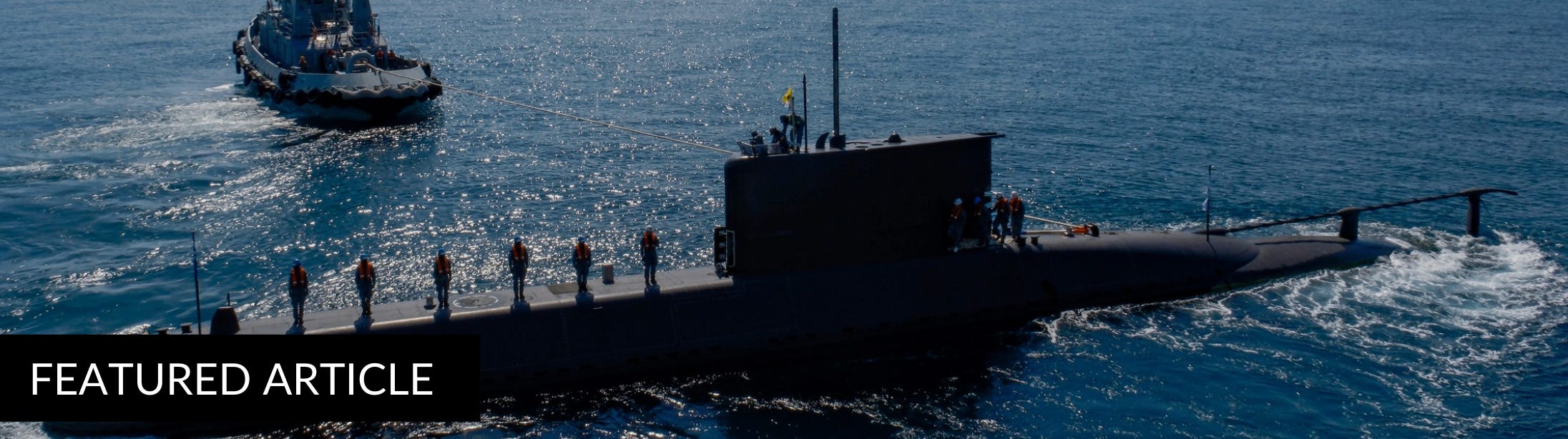
Amid shifting Indo-Pacific security dynamics, South Korea is debating whether its newly authorised plan to acquire nuclear-powered submarines (SSNs) could serve as a cornerstone for deeper regional defence cooperation, potentially catalysing an East Asian AUKUS-like framework that links Seoul more tightly with Washington and other like-minded partners.
Seunghwan (Shane) Kim and Jun Sun Yoo explain how the 2025 US–ROK agreement enabling Seoul to pursue SSNs reflects both South Korea’s desire to bolster deterrence against North Korea and Washington’s expectation that allies share regional defence burdens, co-invest in critical technologies, and assume greater responsibility for deterring China. Yet, the initiative raises legal, non-proliferation, and diplomatic challenges, from navigating the Non-Proliferation Treaty (NPT) and US-ROK nuclear cooperation rules to managing potential backlash from China and Japan.
The article argues that positioning the SSN programme within a broader trilateral security architecture could help Seoul expand industrial and operational cooperation with the US and Japan. This approach would strengthen collective deterrence while signalling South Korea’s commitment to Indo-Pacific security. To mitigate regional tensions and legal hurdles, it is crucial for Seoul to frame the initiative as consistent with transparency and non-proliferation norms, rather than a bid for strategic autonomy.

THE TECH TEST: NEW ZEALAND’S INDEPENDENCE IN A CONNECTED WORLD
New Zealand’s digital trajectory amid evolving global tech competition is testing its long-held “independent foreign policy”. Choices from 5G networks to cloud infrastructure increasingly align the country with the Western-led digital order rather than remaining neutral between Washington and Beijing.
Phuong Nguyen explains how Wellington’s 2018 rejection of Huawei in its 5G rollout – framed as a security-driven decision — and subsequent reliance on European vendors reflected a strategic choice, signalling deeper integration with allied tech ecosystems. The rapid arrival of major Western cloud regions means that while data may reside onshore, its governance and technical foundations remain embedded in foreign platforms and legal jurisdictions — underscoring a conditional rather than absolute digital sovereignty.
Nguyen also highlights New Zealand’s adoption of OECD AI principles and active role in multilateral digital forums as efforts to shape norms consistent with liberal democracies, binding Wellington into a wider Western digital architecture. The article argues that managing dependence — through diversified trusted partnerships, investment in domestic capabilities, and multilateral norm-building — will determine whether New Zealand can sustain meaningful independence in a world where every technological choice now carries strategic weight.
CONSULTING SERVICES
At 9DASHLINE, we are your Indo-Pacific experts. We provide sharp and timely analysis on the complex geopolitical landscape of a region brimming with economic and strategic opportunities. Our bespoke consulting solutions empower you to make informed decisions that navigate this dynamic environment.
We welcome your enquiry.
The Navigator is produced by:
Dr Hunter Marston, Daniel McIntyre, Luana Correia, Dr Manali Kumar, and David MacSweeney.
SUBSCRIBE NOW
HELP US BY SHARING — THANK YOU!